For centuries, roulette has been an iconic casino game that captures players worldwide. Featuring a spinning wheel, vibrant table layout, and the excitement of chance, roulette has become a mainstay in the realm of gambling. To get the most out of the game, it's essential to know its origins, the different types of roulette wheels, and the design of the roulette table.
The history of roulette can be traced back to the 17th century, when the game originated in France. The name "roulette" comes from the French word for "little wheel," and the game's design is believed to have been inspired by the ancient Chinese game of "Biribi" and the Italian game of "Biribi." Over the years, roulette has developed, with different versions and variations emerging, each with its own unique characteristics and rules.
One of the key aspects of roulette is the various types of wheels and their variations. The typical types are the European roulette wheel, which has 37 numbered slots (1-36 and a single 0), and the American roulette wheel, which has 38 numbered slots (1-36, 0, and 00). The presence of the double zero (00) in the American version raises the house edge, making the European version generally more favorable for players. Furthermore, some casinos may feature specialized roulette wheels, such as the French roulette wheel, which has a single zero and alternative betting options.
Understanding the layout of the roulette table is crucial for players to play the game effectively. The table shows a grid of numbered slots, matching the numbers on the roulette wheel. Players can place bets on specific numbers, groups of numbers, or several other bet types, such as red or black, odd or even, and high or low numbers. Learning the various bet types and their payouts is crucial for making smart decisions and handling your bankroll.
- Knowing the Basics of Roulette: Become familiar with the rules and layout of the game before making any bets. The House Edge: Knowing the Odds: Learn the advantage the casino has and how it impacts your chances of winning. Betting Strategies: Inside vs. Outside Bets: Understand the differences between these two types of bets and how they influence your gameplay. The Martingale System: Betting Big on Losses: Consider the risks and potential rewards of this popular betting strategy. Responsible Gambling: Maintaining Balance: Establish boundaries, stick to a budget, and learn when to walk away to ensure a safe gambling experience.
Understanding the House Edge and Odds
The house edge is a fundamental concept in roulette that every players should understand. The house edge is the mathematical advantage the casino has over the player, and it's how the casino to generate a profit in the long run. In roulette, the house edge is measured by the number of slots on the roulette wheel and the payouts for different bet types.
In European roulette, the house edge is around 2.70%, meaning that for every $100 wagered, the casino anticipates to keep $2.70 on average. This is due to the existence of a single zero on the wheel, which provides the casino a small advantage. In contrast, the American roulette wheel, with its additional double zero, has a greater house edge of around 5.26%, making it less favorable for players.
Understanding the odds of different bet types is crucial for knowing the house edge and making smart decisions. Single number bets, known as "straight-up" bets, have the biggest payout (35:1) but also the smallest probability of winning, with a house edge of 2.70% in European roulette and 5.26% in American roulette. In contrast, outside bets, such as red/black, odd/even, and high/low, have smaller payouts (1:1) but a better probability of winning, with a house edge of 2.70% in European roulette and 5.26% in American roulette.
Understanding the house edge and the odds associated with different bet types is key for players to handle their bankroll effectively and make strategic decisions. By understanding the mathematical realities of the game, players can better handle the risks and potential rewards of roulette, ultimately improving their overall gaming experience.
Exploring Inside and Outside Roulette Bets
In roulette, the distinction between inside and outside bets is a fundamental aspect of the game that players must understand. Inside bets are wagers placed on specific numbers or combinations of numbers on the roulette table, while outside bets involve wagers on larger categories, such as red/black, odd/even, or high/low numbers.
Inside bets, such as straight-up, split, street, and corner bets, present higher payouts but have a smaller probability of winning. These bets are often favored by players wanting the thrill of a large payout, but they also carry a higher risk of losing. Conversely, outside bets, like red/black, odd/even, and high/low bets, have lower payouts but a higher probability of winning. These bets are generally considered more conservative and are often used by players to handle their bankroll and minimize their losses.
Understanding the pros and cons of each bet type is key for players to build effective betting strategies. Inside bets can provide the excitement of a big win, but they demand a higher level of risk tolerance and a willingness to accept more frequent losses. Outside bets, by contrast, offer a more stable and consistent approach, allowing players to slowly build their bankroll and minimize their exposure to significant losses.
By understanding the dynamics of inside and outside bets, players can strategically mix these various bet types to manage their risk and potential payouts. This approach, known as a "mixed betting strategy," can allow players strike a balance between the thrill of high-risk, high-reward inside bets and the security of lower-risk, lower-reward outside bets. Mastering this balance is crucial to building a sustainable and solid roulette strategy.
Understanding the Martingale Betting System
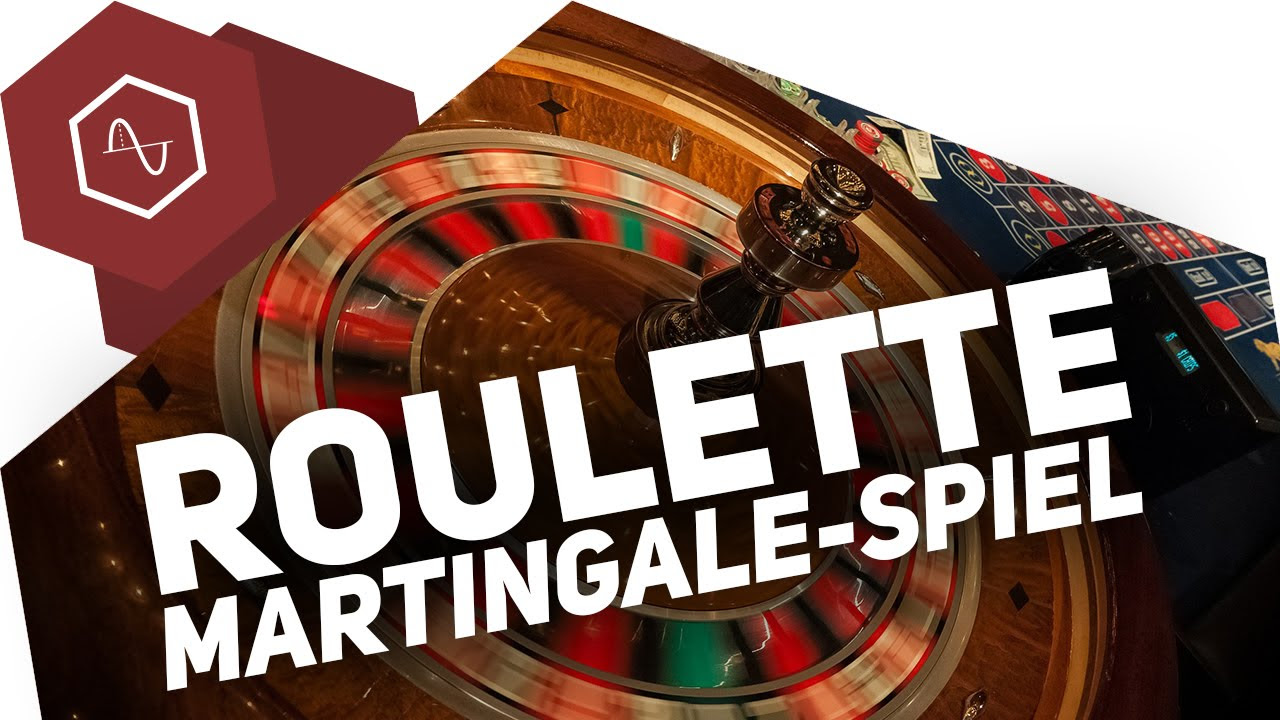
The Martingale system is a popular betting strategy in roulette that is based on the principle of increasing your bet on losses. The underlying idea behind the Martingale system is that by doubling your bet after each loss, you will eventually get back your losses and make a profit.
The Martingale system is fairly straightforward in its implementation. After a loss, the player increases their bet on the next spin. This process continues until the player wins, at which point they return to their original bet size. The idea behind this system is that the player will eventually win, and the win will cover all the previous losses.
While the Martingale system may appear a guaranteed way to beat the casino, it best strategies for roulette is important to recognize its possible benefits and drawbacks. On the one hand, the system can be profitable in the short term, as it does increase the chances of recouping losses. However, the system also involves significant risks, particularly in the long run.
One of the main drawbacks of the Martingale system is that it requires an unlimited bankroll to be truly effective. As the losses accumulate, the required bet size can quickly become very large, potentially exceeding the player's available funds. Additionally, most casinos have table limits, which can prevent players from continuing to double their bets without limit.
Furthermore, the Martingale system does not change the existing house edge of the game. While it may offer temporary success, the casino's mathematical advantage will inevitably prevail in the long run. The system is also very susceptible to streaks of losses, which can rapidly exhaust a player's bankroll.
It is essential for players to realize the risks and limitations of the Martingale system before using it. While it can be a good tool in some situations, it should be approached with care and a clear understanding of the possible consequences.
The Fibonacci Sequence: A Systematic Approach
The Fibonacci sequence is a mathematical series that has found its way in various aspects of life, including roulette strategy. This systematic approach to betting has gained popularity among players seeking a more organized and disciplined way to handle their bankroll.
The Fibonacci sequence is a series of numbers where each number is the sum of the two preceding numbers. The sequence begins with 0 and 1, and the subsequent numbers are 1, 2, 3, 5, 8, 13, 21, and so on. In the context of roulette, the Fibonacci sequence is used to calculate the size of each bet, with the player increasing their bet by the next number in the sequence after a loss and lowering it by the previous number in the sequence after a win.
The Fibonacci system is based on the premise that by following this set sequence, players can control their bankroll more efficiently and reduce their losses. The thinking behind this strategy is that the smaller bets after a win will counterbalance the larger bets required after a loss, ultimately leading to a more sustainable approach to the game.
One of the main advantages of the Fibonacci system is its structured and disciplined nature. By adhering to the sequence, players can avoid the temptations that can cause poor decision-making in roulette. Furthermore, the system's focus on managing losses rather than chasing wins can be a important asset in maintaining a healthy relationship with the game.
However, it's important to note that the Fibonacci system, like many betting strategy, won’t bring a win. The house edge in roulette remains unchanged, and the system is still subject to the inherent risk of the game. Players should approach the Fibonacci system with realistic expectations and a clear understanding of its strengths and limitations.
How the D'Alembert System Works in Roulette
The D'Alembert system is another common betting strategy in roulette that emphasizes managing wins and losses. In contrast to the Martingale system, which relies on increasing bets on losses, the D'Alembert system offers a more balanced approach, changing the bet size based on the player's current state.
The D'Alembert system is based on the concept of raising the bet size after a loss and decreasing it after a win. The system begins with a base bet, and after each loss, the player increases the bet by a fixed amount (usually one unit). In contrast, after a win, the player decreases the bet by the same set amount.
One of the key advantages of the D'Alembert system is its comparatively low risk when compared with other betting strategies, such as the Martingale system. The gradual adjustments to the bet size reduce the potential for significant losses, making it a more cautious approach.
However, it's important to note that the D'Alembert system, like most betting strategies, cannot ensure a win. The house edge in roulette stays the same, and the system is still impacted by the uncertainty of the game. Players should use the D'Alembert system with realistic expectations and a clear grasp of its strengths and limitations.
Overall, the D'Alembert system is a useful tool for players who prefer a more steady and disciplined approach to roulette. By concentrating on managing wins and losses, the system can help players maintain a more sustainable bankroll and potentially improve their long-term outcomes.
Wheel Tracking: Identifying Biased Wheels
Wheel tracking is a technique used by some roulette players to spot potential biases or irregularities in the roulette wheel. The concept behind wheel tracking is that over time, a roulette wheel may get subtle imperfections or biases that can be noticed and used by skilled players.
The concept of wheel tracking is based on the belief that the distribution of numbers on a roulette wheel may not be entirely random, and certain numbers or sections may appear more frequently than others. By studying the outcomes of many spins and reviewing the data, players may be able to identify patterns or biases in the wheel's behavior.
In the past, wheel tracking was more feasible, as roulette wheels were often less sophisticated and more prone to mechanical imperfections. However, with the advancements in modern roulette technology, the effectiveness of wheel tracking has become more challenging.
Today's roulette wheels are built with greater precision and are subject to rigorous testing and maintenance to ensure fairness and randomness. Furthermore, many casinos have implemented measures to block wheel tracking, such as frequently rotating or replacing the wheels and implementing advanced monitoring systems to detect any irregularities.
Despite the challenges, some players still think that wheel tracking can be a useful tool in certain situations. By combining attention, data analysis, and a deep understanding of roulette mechanics, players may be able to detect subtle biases or patterns that can be leveraged.
It's important to note that wheel tracking is a complex technique that requires a significant amount of time, effort, and resources. Additionally, the legal standing and rules of wheel tracking may differ across different regions and casino policies.
Overall, while wheel tracking may previously been more relevance in the past, the modern roulette environment has made it a less viable strategy for the bulk of players. However, for those with the dedication, skill, and resources, wheel tracking may still hold some promise, albeit with a greater degree of difficulty and risk.
Bankroll Management: Controlling Your Losses
Responsible bankroll management is a key aspect of handling roulette, or other casino game, effectively. Effective bankroll management involves setting and sticking to betting limits, controlling your funds smartly, and maintaining a disciplined approach to the game.
One of the essential principles of bankroll management is defining a betting limit. This means determining the highest amount of money you are ready to risk in a single session or over a specific period of time. By establishing a clear betting limit, you can prevent the urge to chase losses or make impulsive bets that can quickly drain your bankroll.
Additionally to establishing a betting limit, it's crucial to handle your bankroll in a way that allows you to withstand the inherent volatility of roulette. This may require dividing your bankroll into smaller units and using a consistent bet size, rather than risking a large portion of your funds on a single spin. By maintaining a disciplined approach to your bets, you can better control your losses and boost your chances of leaving with a profit.
The psychological aspects of bankroll management cannot be ignored. Roulette, like several casino games, can be extremely emotional, and players may be tempted to play based on their feelings rather than logic. By remaining focused on your betting limits and maintaining a clear understanding of the odds, you can avoid the pitfalls of emotional decision-making and control your bankroll under control.
Ultimately, effective bankroll management is about finding a balance between risk and reward. By setting realistic goals, handling your funds smartly, and maintaining a disciplined approach, you can experience the thrill of roulette while minimizing the potential for major losses. This, in turn, can enable you to build a healthy and long-term relationship with the game.
Responsible Gambling: Staying in Control
Responsible gambling is a vital aspect of playing roulette, or other casino game, that should not be underestimated. As with any form of gambling, it's essential for players to keep a healthy and balanced relationship with the game, understanding the risks and taking steps to ensure that their participation remains in control of responsible and fun entertainment.
One of the main elements of responsible gambling is learning the symptoms of problem gambling behavior. This may involve chasing losses, betting more than you can afford to lose, and experiencing negative impacts on your personal, professional, or financial well-being. By being aware of these warning signs, players can take proactive steps to address the issue and seek help if necessary.
Casinos and authorities have also taken steps to promote responsible gambling. Many casinos provide resources and support services for players who may be facing problem gambling, including self-exclusion programs, time-out options, and access to counseling services. These measures are meant to support players to handle their gambling habits and keep a healthy relationship with the game.
In addition to getting external support, players can also act to maintain responsible gambling. This may include establishing strict betting limits, having regular breaks, and avoiding gambling when under the influence of alcohol or other substances. By maintaining a focused and disciplined approach, players can enjoy the thrill of roulette while minimizing the potential for negative consequences.
Ultimately, responsible gambling is about finding a balance between the excitement of the game and the need to maintaining control. By knowing the risks, seeking support when necessary, and applying self-discipline, players can make sure that their roulette experience remains a source of enjoyment and without being a source of harm or addiction.
Common Questions about Roulette
What is roulette?
Roulette is a popular casino game that involves a spinning wheel with numbered slots and a small ball. Players place bets on where they believe the ball will land, and if they predict correctly, they win.
What are some strategies for playing roulette?
Roulette tactics are methods that players apply to hope to increase their chances of winning at the game. These tactics often use betting patterns, bankroll management, and understanding the odds of different bets.
Can you win every time with a specific roulette strategy?
No, there are no guaranteed strategies to win at roulette. The game is founded on chance, and the spin of each spin is completely random. While tactics can help boost your odds, there is no guaranteed way to win every time.
What are the most popular strategies for roulette?
Well-known roulette tactics consist of the Martingale system, where players double their bet after a loss, and the Fibonacci system, where players follow a sequence of numbers to calculate their bets. Other tactics involve betting on specific numbers, colors, or even/odd outcomes.
Is it legal to use betting strategies in roulette?
There are no forbidden tactics for playing roulette, but some casinos may frown upon certain strategies, such as using electronic devices or teaming up with other players. It's important to learn the rules and regulations of the casino where you are playing.
Can roulette tactics guarantee a profit?
No, roulette tactics cannot promise a profit. While they can assist your chances and manage your bankroll, there is always a risk of losing money when playing roulette. It's important to gamble responsibly and only play with what you can are able to lose.